The Ultimate Guide to Yarn Weights: Standard Sizes 0 to 7 Explained
Stepping into a yarn store or browsing online can be both exhilarating and overwhelming. Rows of colorful skeins beckon, each labeled with terms like “Fingering,” “Worsted,” “DK,” or “Chunky,” alongside numbers ranging from 0 to 7.
If you have ever wondered whether you can substitute a DK yarn for Worsted in a blanket pattern, or why your gauge swatch turned out twice as large as expected, you are not alone. Understanding yarn weights is the single most important skill in crochet and knitting. It dictates the drape, warmth, stitch definition, and finished size of every project you make.
In this definitive guide, we explain the Standard Yarn Weight System (Categories 0 through 7 established by the Craft Yarn Council), recommended hook sizes, project pairings, fiber types, and the secret “Wraps Per Inch” trick to identify mystery yarn from your stash.
Standard Yarn Weight System: Categories 0 to 7
The Craft Yarn Council (CYC) created a standardized numbered system to bring order to yarn classifications across international brands. Below is our master reference guide comparing category numbers, traditional industry names, recommended crochet hook sizes, and typical uses.
Need to convert hook sizes across millimeter, US letter, and UK numbers? Bookmark our free Crochet Hook Size Conversion Tool.
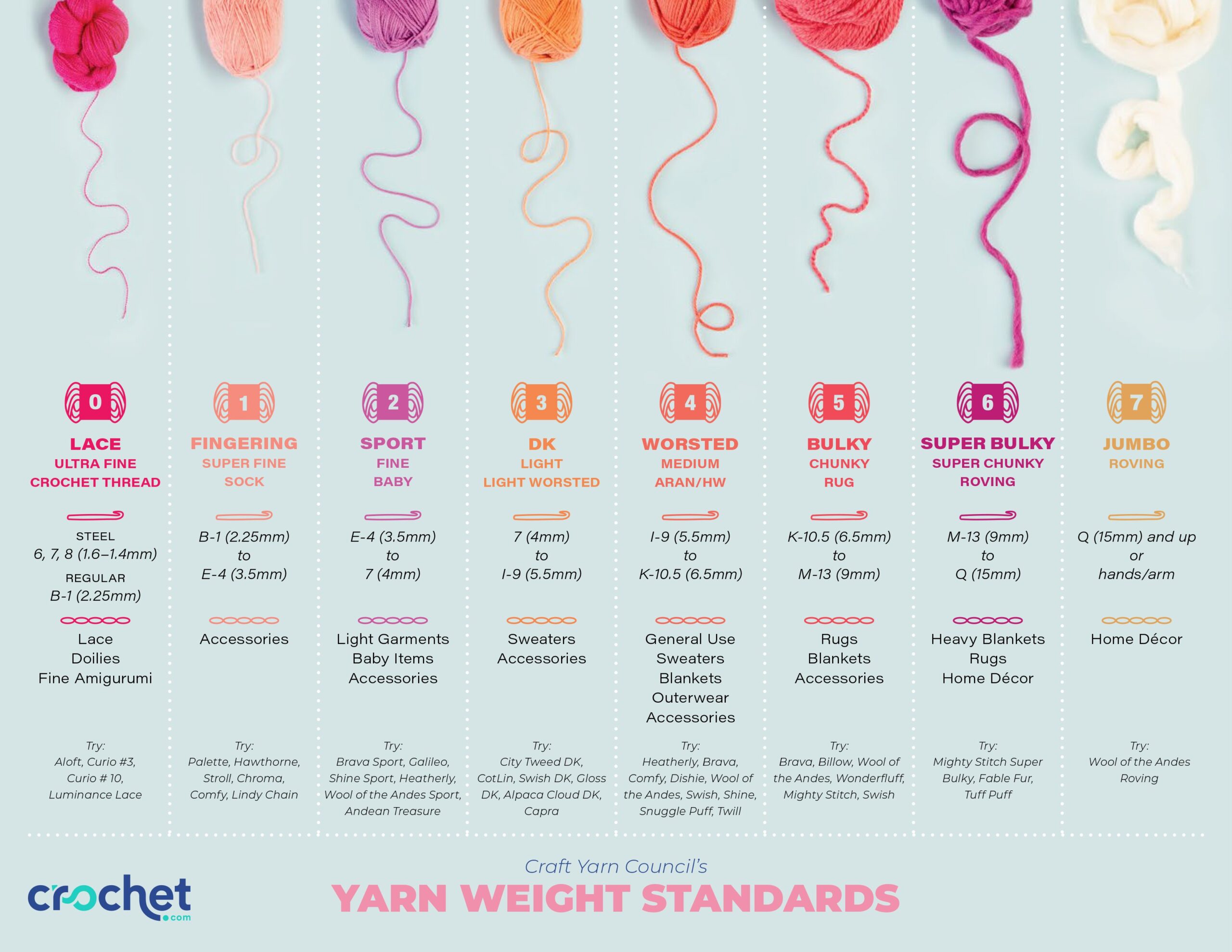
Comparing skeins across different weight categories and fiber compositions
In-Depth Breakdown by Category
Category 0: Lace Weight
Lace weight is the thinnest category, often consisting of crochet thread (such as size 10 or size 20 cotton thread) or ultra-fine cobweb wool. When worked with small steel hooks, it produces intricate, heirloom-quality table doilies and delicate lace edgings. When worked with larger hooks (3.5 mm to 4.5 mm), it creates diaphanous, cloud-light shawls with magnificent drape.
Category 1: Super Fine (Fingering & Sock Yarn)
Fingering weight yarn is beloved by garment makers. Commonly spun with 75% wool and 25% nylon for durability, it is the primary choice for hand-crocheted socks, gloves, and drapey summer cardigans. Because stitches are fine and small, projects take longer to complete, but the resulting fabric has fluid mobility and zero bulk.
Category 2: Fine (Sport Weight)
Sport weight is slightly thicker than fingering and slightly thinner than DK. It is widely used in baby apparel and lightweight infant blankets because it provides cozy warmth without suffocating heaviness. It is also an excellent choice for textured hats and transition wraps.
Category 3: Light (DK / Double Knitting)
DK yarn (Double Knitting) is arguably Europe’s most popular yarn weight. It is thick enough to work up quickly, yet fine enough to produce garments that fit comfortably under coats. DK cotton is also widely considered the gold standard for miniature amigurumi toys because it yields crisp facial features and tight, seamless joints.
Category 4: Medium (Worsted & Aran)
If you live in North America, Worsted weight (Category 4) is the undisputed champion of the craft world. It is the ideal weight for beginners because individual loops and stitch anatomy are easily visible. It works up rapidly into bed afghans, couch pillows, cozy beanies, kitchen dishcloths, and sturdy totes.
Note on Aran vs. Worsted: While both share the Category 4 label, Aran yarn is typically spun slightly thicker and denser than classic Worsted, resulting in a heavier winter fabric.
Category 5: Bulky (Chunky)
Bulky yarn is roughly twice the thickness of worsted yarn. It is designed for speedy, high-satisfaction projects. A complete winter cowl or beanie can be crocheted in just 45 minutes using a 7 mm or 8 mm hook. It is also ideal for cozy house slippers and pet beds.
Categories 6 & 7: Super Bulky & Jumbo
Super Bulky and Jumbo yarns entered the spotlight with modern home decor trends. Made from roving fibers, tubular cotton cords, or plush chenille, these giant strands produce thick, sculptural home goods such as floor poufs, plant hangers, cat caves, and chunky arm-crocheted throws.
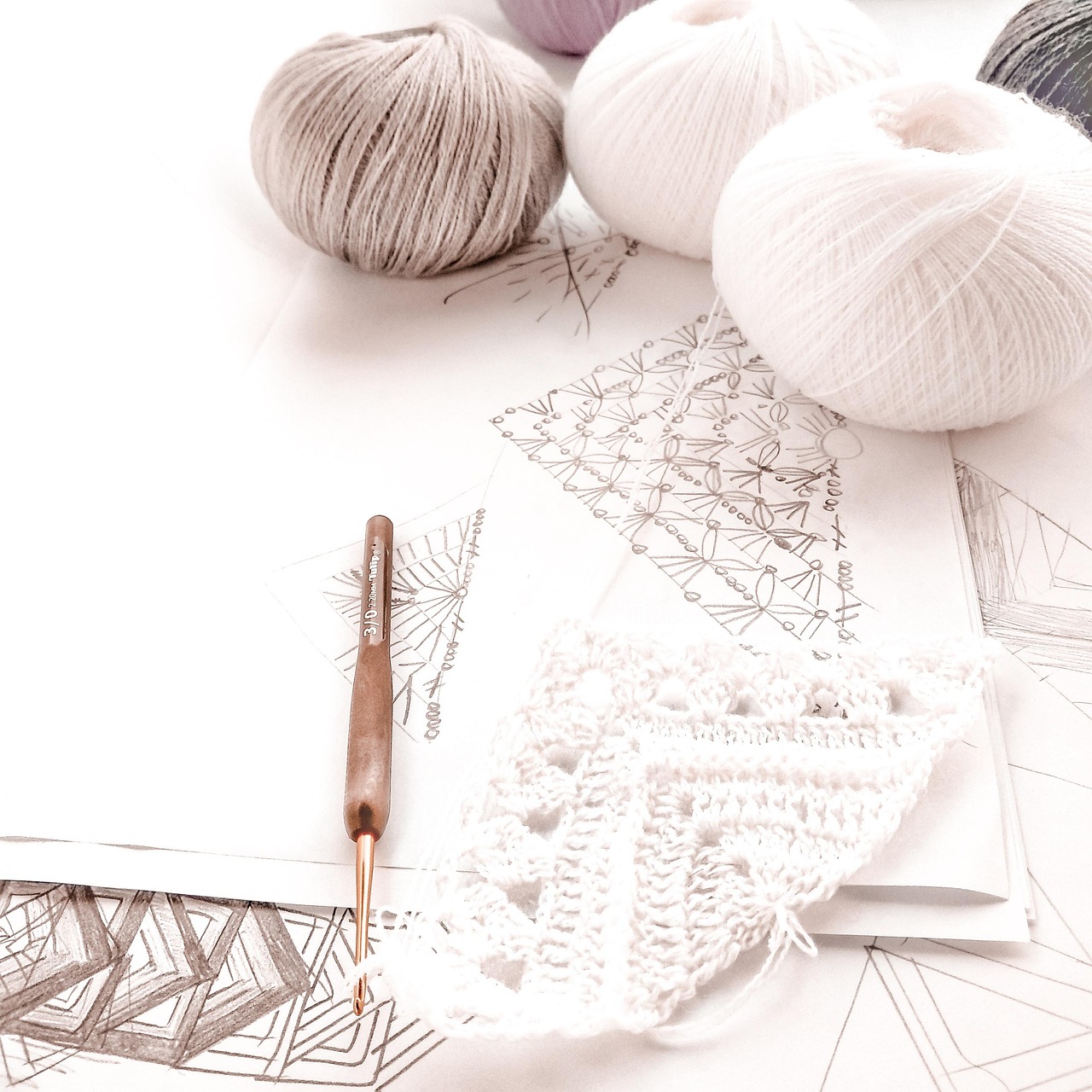
Organizing skeins by weight and yardage before starting a large project
How to Identify Mystery Yarn: The Wraps Per Inch (WPI) Method
Every crocheter has mystery yarn in their stash — skeins whose labels disappeared years ago. Fortunately, you can easily determine any yarn’s exact CYC category in under two minutes using the Wraps Per Inch (WPI) technique:
- Take a standard wooden ruler or a smooth pencil and your mystery yarn.
- Wrap the yarn snugly around the ruler or pencil across a 2-inch span. Ensure the strands lie side-by-side touching each other without overlapping or being pulled excessively tight.
- Count how many complete wraps fit within exactly 1 inch on your ruler.
- Compare your count to this WPI reference table:
| Wraps Per Inch (WPI) | Yarn Classification | CYC Number |
|---|---|---|
| 18+ wraps | Lace Weight | Category 0 |
| 14 – 18 wraps | Super Fine (Fingering) | Category 1 |
| 12 – 14 wraps | Fine (Sport) | Category 2 |
| 11 – 12 wraps | Light (DK) | Category 3 |
| 9 – 11 wraps | Medium (Worsted / Aran) | Category 4 |
| 7 – 8 wraps | Bulky (Chunky) | Category 5 |
| 5 – 6 wraps | Super Bulky | Category 6 |
| Under 4 wraps | Jumbo | Category 7 |
Fiber Matters: How Material Affects Yarn Weight Behavior
Two skeins labeled “Category 4 Worsted” can behave dramatically differently depending on their fiber content:
- 100% Wool / Animal Fibers: Possesses natural crimp, spring, and memory. Wool stretches and rebounds, making it very forgiving for uneven tension. Excellent for warm garments and winter blankets.
- 100% Cotton / Plant Fibers: Heavy and inelastic. Cotton has zero natural stretch, meaning it shows every inconsistency in stitch tension. However, it offers unbeatable crisp stitch definition, heat resistance, and breathability for coasters, washcloths, and summer bags.
- 100% Acrylic / Synthetics: Budget-friendly, durable, and hypoallergenic. Modern premium acrylics are remarkably soft and machine-washable, making them the most popular choice for family blankets and baby gifts.
- Bamboo & Silk: Highly lustrous with slippery drape. Perfect for lightweight shawls and summer tees, but requires careful blocking as it tends to stretch downward over time.
Planning Your Next Project?
Before purchasing yarn for your upcoming pattern, take advantage of our free interactive tools to avoid running out of yarn mid-row:
- Yarn Yardage & Skein Estimator: Calculate exactly how many yards and total skeins you need based on project type and yarn weight.
- Granny Square Blanket Planner: Estimate total motif counts and border yardage for any custom bed or lapghan size.
- Crochet Pricing Calculator: Accurately factor your materials cost and hourly artisan wage when selling finished handmade creations.
The Ultimate Guide to Yarn Weights: Standard Sizes 0 to 7 Explained
Stepping into a yarn store or browsing online can be both exhilarating and overwhelming. Rows of colorful skeins beckon, each labeled with terms like “Fingering,” “Worsted,” “DK,” or “Chunky,” alongside numbers ranging from 0 to 7. If you have ever wondered whether you can substitute a DK yarn for Worsted in a blanket pattern, or […]
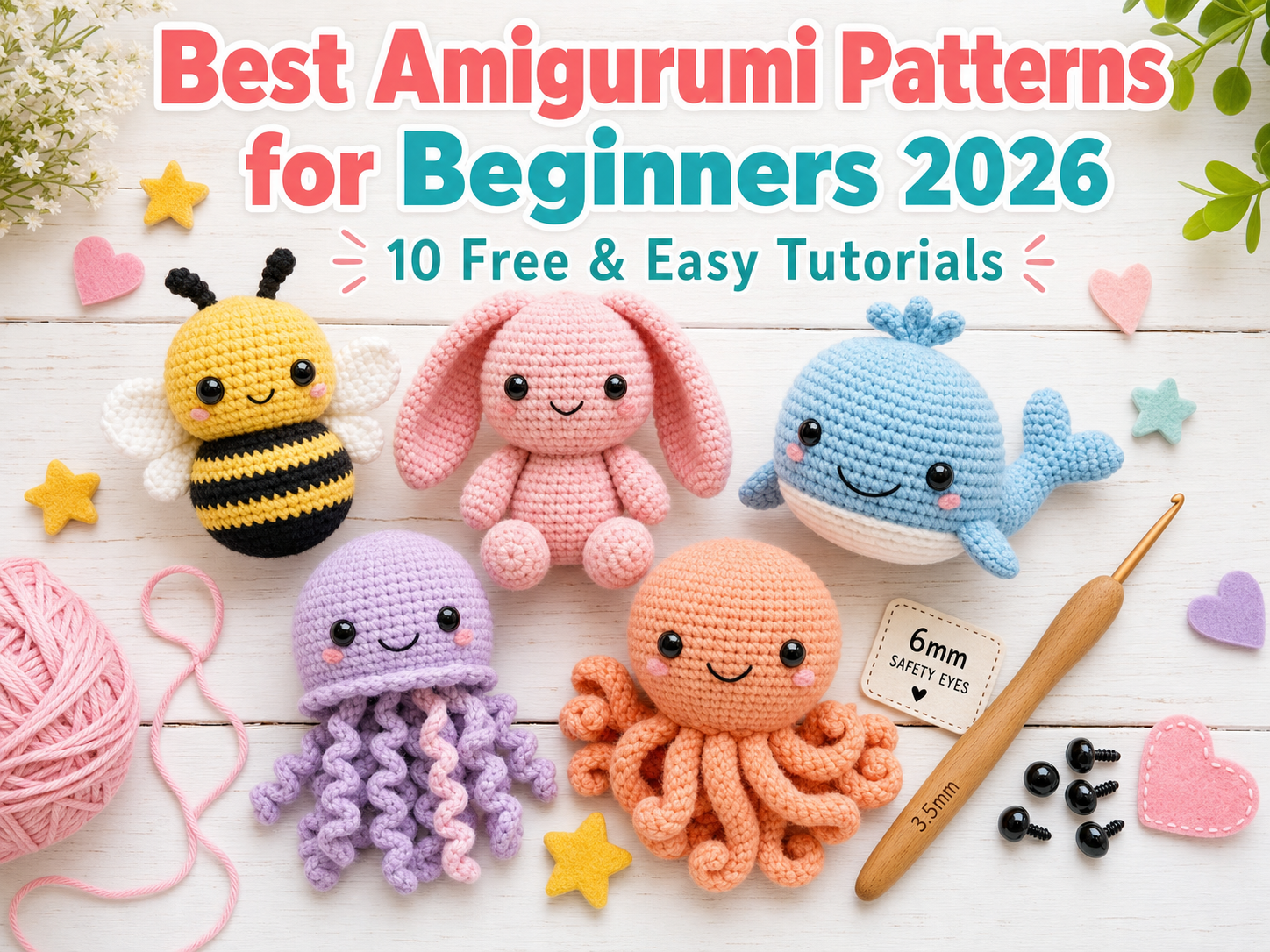
Best Amigurumi Patterns for Beginners 2026 – 10 Free & Easy Tutorials
Amigurumi, the Japanese art of crocheting adorable stuffed toys, has captured the hearts of crafters worldwide. If you’re wondering where to start with amigurumi crochet for beginners, you’ve come to the perfect place.
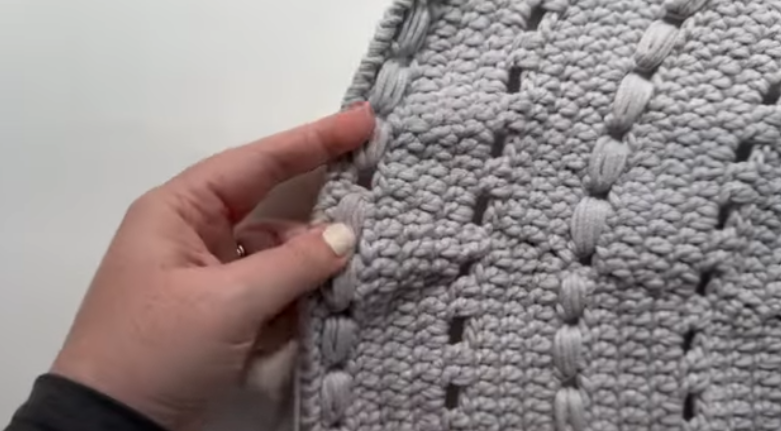
The Aveline Rug – Simple Yet Stunning Crochet Tutorial with Free Pattern
The Aveline Rug is a beautiful circular crochet rug pattern that combines simple double crochet rounds with decorative bead stitches and textured edging.